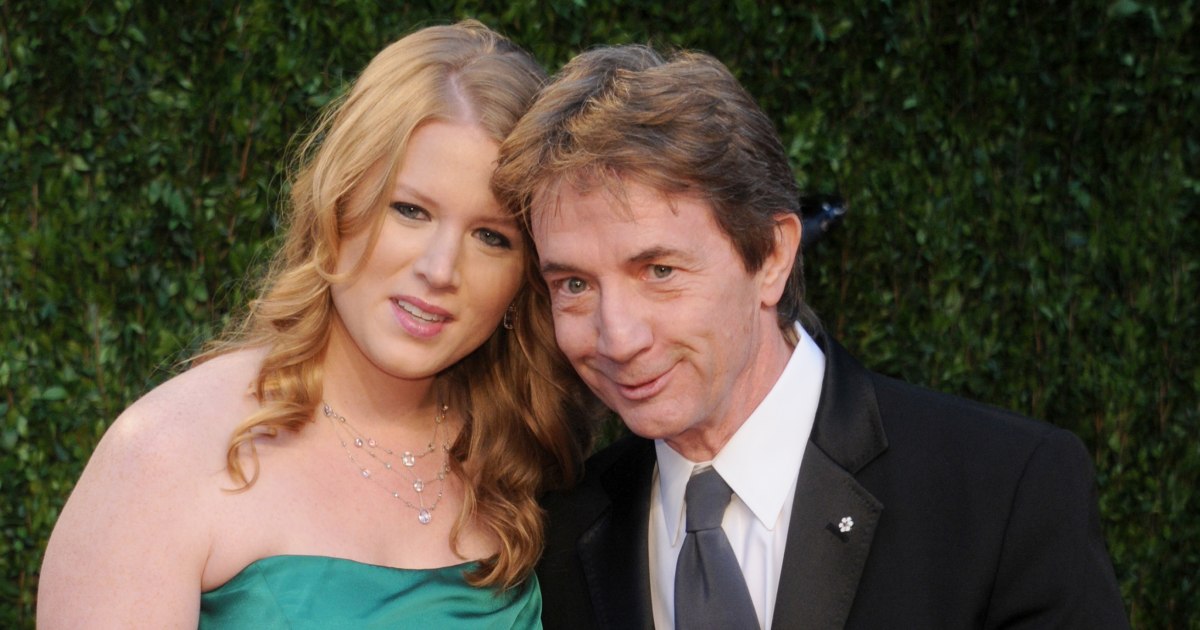
Tragedy Strikes: Katherine Short, Daughter of Martin Short, Dies by Suicide at 42
The entertainment world and beyond have been profoundly saddened by the tragic news of Katherine Short's passing. At 42 years old, Katherine, the cherished daughter of beloved actor and comedian Martin Short and his late wife, Nancy Dolman, died by suicide. This heartbreaking event has brought a wave of grief, highlighting the silent struggles many face and the critical importance of mental health awareness and support. The Short family has requested privacy during this incredibly difficult time, as they navigate an unimaginable loss.
Katherine Short, born on December 3, 1983, was a woman who dedicated her professional life to understanding and aiding others. She leaves behind her two younger brothers, Henry and Oliver, and a legacy of compassion in her work. The news of her death comes as a profound shock, especially given her background in mental health. For more details on the initial announcement, you can read
Katherine Short, Martin Short's Daughter, Dies by Suicide at 42.
A Welfare Check Reveals the Unthinkable
The circumstances surrounding Katherine Short's death underscore the vital role that concerned friends and family play in checking on their loved ones. According to police sources, authorities were dispatched to Katherine Short's Hollywood residence on a Monday evening, around 7 p.m., following a request for a welfare check. A close friend, having not heard from Katherine for over 24 hours, grew increasingly worried and contacted the authorities. This proactive step, born out of care and concern, led to the discovery of the tragic truth.
Upon arrival, officers reportedly found a note on the door. Inside the home, Katherine Short was found deceased. Police sources subsequently confirmed that her death was by suicide. The suddenness and nature of her passing have undoubtedly sent shockwaves through her family and community. A welfare check is often a last resort when communication fails and concerns about someone's well-being escalate. It serves as a critical mechanism for intervention, though tragically, in this instance, it brought devastating news.
A Life Dedicated to Mental Health: Katherine Short's Poignant Journey
What makes Katherine Short's passing particularly poignant is her deep professional involvement in the field of mental health. Her academic and professional journey reflected a profound commitment to helping individuals navigate complex psychological challenges. Katherine pursued higher education with a clear purpose, earning a bachelor’s degree in psychology and gender sexuality studies from NYU in 2006. She furthered her expertise by obtaining a master’s degree in social work from USC in 2010.
Her career path was equally dedicated. According to her personal website, she worked at UCLA’s Resnick Neuropsychiatric Hospital, a renowned institution for mental health care. She also contributed her skills to the Camden Center, a facility known for its dual-diagnosis outpatient programs, addressing both mental health conditions and substance use disorders. This background highlights a life spent in service, understanding, and supporting those struggling with mental and emotional difficulties. The very nature of her work makes her own tragic end by suicide a stark reminder that mental health struggles can affect anyone, regardless of their knowledge or professional background in the field. This paradox emphasizes the complex and often invisible nature of internal battles.
Navigating Grief: The Short Family's History and Public Response
The Short family is no stranger to profound loss. Martin Short's wife and Katherine's mother, actress Nancy Dolman, passed away in August 2010 after a courageous battle with ovarian cancer at the age of 58. Nancy and Martin had been married for 30 years, having first met in 1972 while working on a production of *Godspell*. This earlier loss undoubtedly shaped the family's journey, and Martin Short himself reflected on the challenges of grief in a 2011 interview with The Guardian. He stated, “It’s been a tough two years for my children. This is the thing of life that we live in denial about, that it will ever happen to us or our loved ones, and when it does you gain a little and you suffer a little. There’s no big surprise.” These words, spoken years ago, resonate with heartbreaking prescience in the wake of Katherine's death.
The news of Katherine Short's suicide has prompted an outpouring of sympathy and concern. Martin Short, currently on a comedy and music tour with Steve Martin, has understandably postponed upcoming shows. A scheduled performance in Milwaukee and two shows in Minneapolis were delayed, allowing the family the space and time needed to grieve. This public acknowledgment of his need for personal time underscores the severity of the loss and the immediate impact it has had on his professional obligations. The public's response has largely been one of compassion, offering support to the grieving family during this incredibly challenging period. For a deeper understanding of the family's grief, consider reading
Martin Short's Family Grieves Daughter Katherine Short's Suicide.
Understanding the Broader Impact and Seeking Support
The tragic news of Katherine Short's death by suicide serves as a potent and painful reminder of the pervasive issue of mental health crises. Even for those with extensive knowledge in the field, navigating personal struggles can be overwhelming. The term "katherine short suicidio" reflects the search for understanding and information surrounding this devastating event, prompting a broader conversation about suicide prevention and mental well-being.
It’s crucial to recognize the warning signs in ourselves and others. These can include:
* **Changes in mood:** Persistent sadness, irritability, or loss of interest in activities once enjoyed.
* **Withdrawal:** Isolating oneself from friends, family, and social activities.
* **Sleep disturbances:** Insomnia or sleeping too much.
* **Talk of hopelessness:** Expressing feelings of being trapped, having no reason to live, or being a burden.
* **Increased substance use:** Relying on alcohol or drugs to cope.
* **Reckless behavior:** Engaging in risky activities.
* **Giving away possessions:** Making arrangements for personal items.
If you or someone you know is exhibiting these signs, it's vital to reach out for help. Asking direct questions like "Are you thinking about suicide?" can open a crucial dialogue. Encourage professional help and offer to support them in seeking it.
Practical Steps for Support:
1. **Listen actively:** Create a safe space for open communication without judgment.
2. **Offer empathy:** Validate their feelings and let them know they are not alone.
3. **Encourage professional help:** Suggest therapy, counseling, or psychiatric evaluation.
4. **Connect to resources:** Provide information for crisis hotlines and mental health organizations.
5. **Follow up:** Check in regularly to offer ongoing support.
Remember, seeking help is a sign of strength, not weakness. Resources are available, and support systems can make a profound difference.
Conclusion
The passing of Katherine Short by suicide is a profound tragedy that has touched many hearts. As the Short family grieves, their request for privacy is a reminder of the deeply personal nature of such a loss. Katherine’s life, marked by a dedication to helping others through her work in mental health, underscores the universal reach of psychological struggles. Her death is a stark call to action for increased awareness, open dialogue, and accessible support systems for mental health. In her memory, may we all be more vigilant, empathetic, and proactive in looking out for one another, ensuring that those struggling know they are not alone and that help is always available.